Snail Paper Sculpture: A Designer's Review
As a designer who spends countless hours evaluating digital assets for real-world application, I approach every new file with a critical eye. The market is flooded with generic patterns, but finding a piece that truly elevates a handmade product requires looking beyond the preview image. Today, I am putting Snail Paper Sculpture by Sofs Design under the microscope. While this asset is marketed as a 3D SVG template for papercraft, its structural integrity and whimsical aesthetic make it an intriguing candidate for adaptation into machine embroidery design projects. Let's explore how this unique concept translates from a paper cutout to a stitched reality.
First Impressions: Whimsy Meets Structure
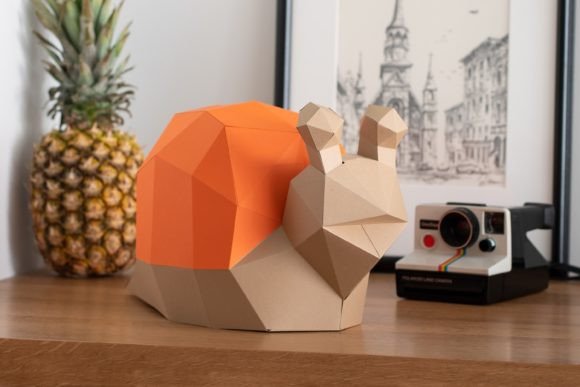
At first glance, the Snail Paper Sculpture exudes a playful charm that fits perfectly within the Animals category. The design relies on geometric layering to create depth, mimicking the way paper folds to form a three-dimensional object. For an embroidery designer, this presents a fascinating challenge and opportunity. Unlike traditional flat vector art, this file suggests a layout where stitch direction and density can be manipulated to simulate shadow and volume. The mood is undeniably cute, making it an instant favorite for nursery decor or children's apparel. However, the true test lies in whether the intricate layers hold up when converted from a digital cut file to a physical thread count.
The visual personality of the snail is defined by clean lines and distinct sections. In a finished product, these sections would naturally translate well into different stitch types. Imagine using satin stitch for the shell's ridges to catch the light, while employing fill stitch for the body to provide a soft, textured contrast. This potential for mixed media stitching is what separates a basic pattern from a high-value embroidery project.
Real-World Application: From File to Fabric
To understand the practical value of Snail Paper Sculpture, let's visualize a specific scenario. Picture yourself preparing a custom embroidered tote bag for a local craft fair. You want something that stands out against the sea of floral prints and standard logos. By adapting this snail design, you create a focal point that feels tactile and modern. The layered nature of the original 3D SVG allows you to position the snail prominently on the front panel of a heavy-duty canvas tote. The result is a tote bag design that customers will reach for because it looks like a sculptural element rather than just a flat print.
This same logic applies to custom apparel. On a heavyweight sweatshirt, the design could be scaled up to cover the chest area. The "paper sculpture" aesthetic works exceptionally well here because the thickness of the fabric supports the density required for the detailed shell work. Alternatively, for a personalized gift like a baby onesie, scaling the design down creates a delicate accent near the hem. The key is recognizing that the design's strength lies in its ability to look dimensional even when flattened onto fabric.
For the Etsy seller or small shop owner, this versatility is gold. You could produce a line of embroidered patches featuring the snail, selling them individually or as part of a collection. Because the design is so distinct, it builds brand recognition. When a customer sees your logo or product, they immediately associate it with quality and creativity. Whether it's a kitchen towel, a pillow cover, or a holiday ornament, the Snail Paper Sculpture adds a touch of sophistication that mass-market items lack.
Navigating Technical Challenges
While the potential is high, experienced designers know that not every design works on every surface. There are specific situations where Snail Paper Sculpture requires careful handling. First, consider small hoop sizes. If you attempt to fit the entire composition into a 4x4 inch hoop, you risk losing the definition of the smaller details. The intricate curves of the snail's head and the texture of the shell need room to breathe. I always recommend checking the hoop size compatibility before committing to a large production run.
Fabric choice is equally critical. On thin or stretchy fabrics like jersey knit, the density required to mimic the 3D effect might cause puckering. In such cases, using a strong stabilizer is non-negotiable. Without proper support, the stitch density needed for the shell's details could warp the garment. Similarly, on dark fabrics, the contrast becomes a major factor. You may need to adjust your thread colors significantly or add a backing layer to ensure the lighter tones of the snail pop against the background.
Curved surfaces, such as caps or hats, also present a hurdle. The rigid geometry of a paper sculpture doesn't always translate smoothly to a rounded brim. You might find that certain angles distort the design during the hooping process. It is wise to test the design on a scrap piece of similar fabric first to see how the threads settle around the curve. Additionally, if you plan to use this for products that require frequent washing, such as tea towels or aprons, ensure that the fill stitch areas are tight enough to resist fraying over time.
Designer Notes for Professional Execution
Before integrating Snail Paper Sculpture into your commercial workflow, follow these essential steps to guarantee a professional outcome:
- Test on Scrap Fabric: Never skip the test run. Stitch the design on a piece of the actual fabric you intend to use. Check for any tension issues or registration errors between the different color blocks.
- Review Thread Contrast: The success of the 3D illusion depends heavily on color separation. Ensure your thread colors offer enough contrast to define the layers without clashing.
- Inspect Small Details: Zoom in on the digitized file (or the conversion if you are digitizing it yourself). Look for tiny gaps or overly dense areas that could cause thread breaks or skipped stitches.
- Mockup in Black and White: Create a printable mockup in grayscale to evaluate the tonal balance. This helps you see if the design reads clearly without relying solely on color.
- Verify Licensing: Since this is a template created by Sofs Design, confirm the licensing terms before selling finished goods. Ensure you have the right to use it for commercial embroidery and that you are not reselling the digital file itself.
- Check Stabilizer Needs: Given the likely density of the shell details, choose a stabilizer that matches the weight of your fabric to prevent distortion.
Final Verdict on Visual Appeal and Value
In the competitive world of handmade products, differentiation is everything. Snail Paper Sculpture offers a unique angle that moves away from cliché animal motifs. Its structured, almost architectural feel gives it a modern edge that appeals to contemporary buyers. When executed correctly, this machine embroidery design enhances the perceived value of the item. Customers are willing to pay more for a handmade product that looks thoughtfully crafted and visually complex.
For creative entrepreneurs and apparel decorators, this design serves as a powerful tool for storytelling. It invites the viewer to pause and appreciate the craftsmanship. Whether used for a boutique branding initiative or a seasonal holiday embroidery collection, the snail brings a sense of wonder and quality. Just remember to respect the technical limitations of your equipment and materials. With proper preparation and attention to detail, Snail Paper Sculpture can become a signature piece in your portfolio, driving engagement and trust among your clientele.