Puzzle Cube Gift Box: A Designer's Practical Review
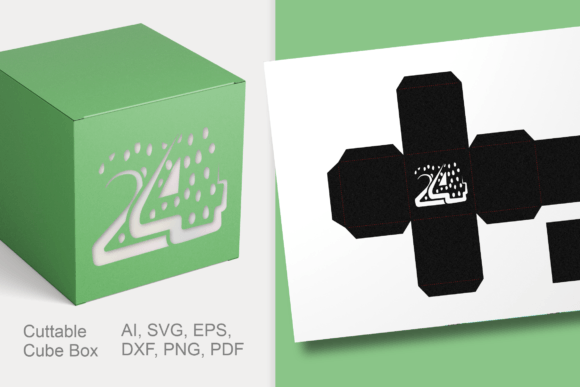
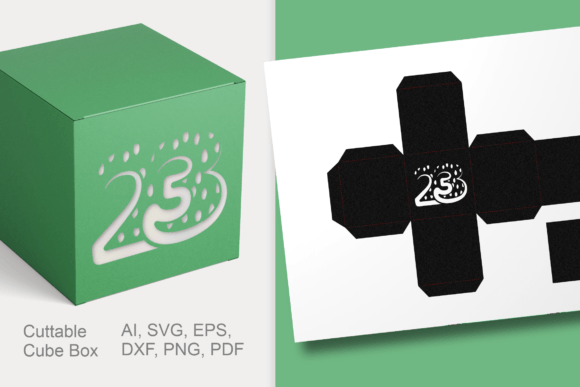
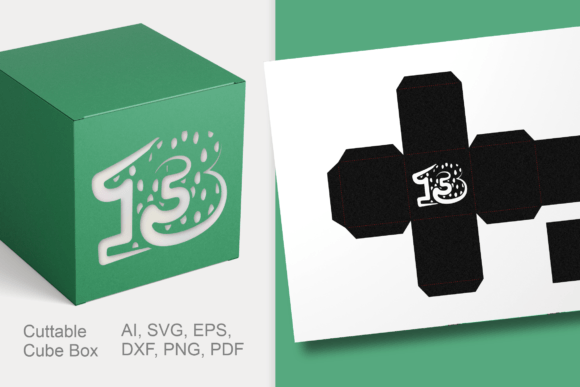
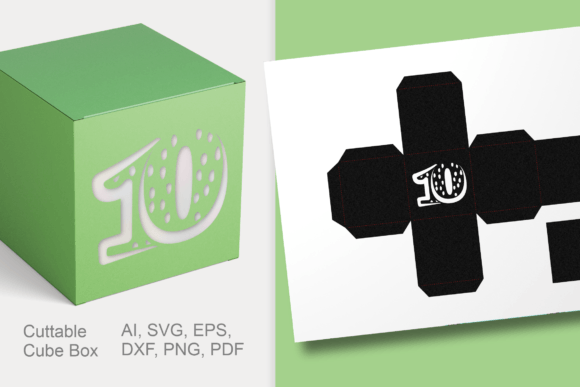
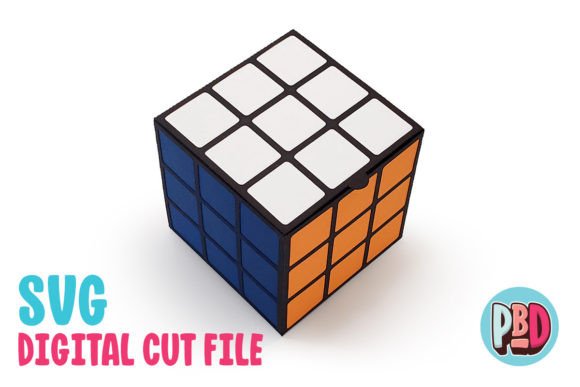
As a designer who spends countless hours evaluating digital assets for real-world application, I approach every new file with a critical eye. The market is flooded with generic patterns, but finding a design that balances structural integrity with aesthetic charm is rare. When I first encountered the Puzzle Cube Gift Box, my immediate reaction was one of curiosity mixed with professional skepticism. This isn't your standard flat pattern; it is a 3D SVG intended to become a tangible object measuring 4 inches wide, 4 inches deep, and 4 inches high. While the product description explicitly states this design is intended to be built using medium cardstock as part of the Paper Sculptures category, the potential for translating this geometric concept into textile applications is what truly caught my attention.
The Geometry of Gifting: First Impressions
The visual personality of the Puzzle Cube Gift Box is clean, modern, and inherently playful. The interlocking shapes suggest complexity, yet the final form is satisfyingly simple. In the world of embroidery, where we often struggle with organic, flowing lines that can get lost in dense stitching, a geometric structure like this offers a refreshing alternative. The mood it creates is one of intellectual curiosity and celebration, making it an ideal candidate for birthday parties or milestone events. However, before committing to any project, I always ask myself: how does this translate from a digital vector to a stitched reality?
While the primary use case is paper construction, the underlying geometry provides a fantastic blueprint for machine embroidery design. Imagine a custom embroidered tote bag featuring a stylized version of this cube. The sharp angles and distinct planes would render beautifully with a combination of satin stitch for outlines and fill stitch for the faces. For an Etsy seller looking to differentiate their shop, this design offers a unique angle. It moves away from the typical floral or typographic motifs and leans into a more architectural, puzzle-like aesthetic that appeals to a niche audience of design enthusiasts and gift-givers alike.
Translating 3D Concepts to Textile Projects
Let's discuss a real-life scenario. Picture a boutique owner preparing a line of holiday gifts. They want something that feels premium and interactive. If they were to adapt the Puzzle Cube Gift Box concept into an embroidered patch or a sweatshirt design, the result could be striking. The key lies in understanding the depth. On a flat surface like a t-shirt or pillow cover, you cannot replicate the physical 3D nature of the paper model, but you can mimic the illusion of depth through thread color contrast and shading techniques.
For custom apparel, such as a heavy cotton sweatshirt, the bold lines of the cube would stand out well against a dark background if paired with bright, contrasting thread colors. The design's symmetry ensures that even if the stitching isn't perfectly aligned on a curved surface, the overall balance remains intact. This makes it a forgiving choice for small shop products where consistency across multiple items is crucial. Furthermore, for baby embroidery projects, the soft, rounded edges of the puzzle pieces (if adapted slightly) could create a gentle, tactile element on a onesie or blanket, provided the stitch density is kept low to maintain fabric softness.
Navigating Fabric Challenges and Technical Constraints
Despite its versatility, the Puzzle Cube Gift Box requires careful consideration regarding fabric texture and hoop size. Geometric designs with tight corners are notorious for causing issues on stretchy fabrics. If you attempt to embroider this on a jersey knit without proper support, the tension of the needle can distort the straight lines, ruining the illusion of the cube. Always use a high-quality stabilizer when working with textured fabrics or garments that need frequent washing.
Another critical factor is the hoop size. Although the physical box measures 4x4x4 inches, the flattened 2D representation might require a larger hoop area to accommodate the layout without crowding. If you are working within a small hoop, you may need to scale the design down, which risks losing the clarity of the puzzle details. Tiny lettering or intricate corner intersections can become muddy if the stitch density is too high. I strongly advise testing the design on scrap fabric first. Check how the running stitch handles the sharp turns and ensure the fill stitch doesn't pucker the material.
Commercial Viability and Brand Consistency
For creative entrepreneurs and digital product sellers, the Puzzle Cube Gift Box represents a versatile asset. Whether you are creating printable mockups to showcase your services or selling the finished handmade product, the design carries a sense of professionalism. It signals to the customer that you pay attention to detail and value structural integrity. In a crowded marketplace, this kind of thoughtful design builds customer trust and enhances brand recognition.
However, as with any digital embroidery file, you must confirm licensing terms before selling finished items. Ensure you have the right to use the design for commercial purposes, whether that means selling the physical embroidered goods or offering the design file itself. If you plan to sell the 3D SVG files alongside your embroidery services, clarify what is included in the download. The original description mentions a full material list for the paper version, but for embroidery, you will need to specify recommended thread counts and fabric types to guide your buyers.
Practical Notes for the Modern Maker
Before integrating the Puzzle Cube Gift Box into your workflow, follow these practical steps to ensure success:
- Test on Scrap Fabric: Never skip the test run. Embroider the design on a piece of fabric similar to your final product to check for puckering or misalignment.
- Review Thread Color Contrast: Use light and dark fabric backgrounds to see how the design pops. High contrast is essential for geometric clarity.
- Inspect Small Details: Zoom in on the digital file to ensure the puzzle connections are clear. If the lines are too thin, thicken them slightly to prevent skipped stitches.
- Check Hoop Size Compatibility: Verify that your machine's hoop can accommodate the design dimensions without distorting the shape.
- Confirm Licensing: Double-check the terms of use for both personal and commercial projects to avoid legal issues.
In conclusion, the Puzzle Cube Gift Box is more than just a template for a paper craft; it is a robust design concept that, when adapted correctly, can elevate your embroidery project to a new level of sophistication. Its clean lines and engaging structure make it suitable for everything from personalized gifts to boutique merchandise. By respecting the technical requirements of machine embroidery and applying sound design judgment, you can transform this geometric idea into a stunning, market-ready finished product that delights customers and strengthens your brand.