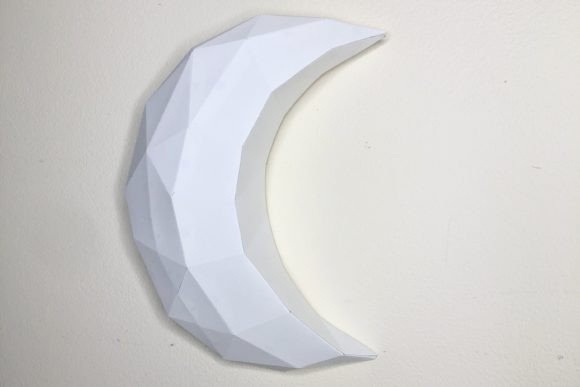
Half Moon on Wall Paper Sculpture Review
As a designer who has spent years navigating the intersection of digital art and physical thread, I approach every new asset with a critical eye. When I first opened the file for Half Moon on Wall Paper Sculpture, my initial reaction was curiosity mixed with caution. The description by Sofs Design suggests this is a quality template meant to be played with, specifically highlighting its potential in classrooms to teach children about our planet and moon phases. However, translating a concept designed for paper sculpture into a functional machine embroidery design requires a different set of skills and considerations. This review breaks down how this unique 3D SVG asset performs when moved from a screen to a hoop.
The Visual Impact of a Sculptural Concept
The defining characteristic of Half Moon on Wall Paper Sculpture is its inherent dimensionality. Unlike a flat vector graphic, this design plays with depth, shadows, and layering to create an illusion of a moon rising against a textured wallpaper background. For an embroidery project, this presents both an opportunity and a challenge. The mood it creates is whimsical yet educational, making it an ideal candidate for nursery decor or personalized gifts for young students.
When visualizing this as a tote bag design or a wall hanging, the "sculpture" aspect translates well into layered applique or dense fill stitch work. The contrast between the smooth curve of the moon and the patterned background offers a rich visual texture that can elevate a simple handmade product into something statement-worthy. However, the complexity of the wallpaper pattern means that if you are using a standard digital embroidery file conversion, you must ensure the stitch density does not become too heavy, which could cause puckering on lighter fabrics.
Real-World Application: From Classroom to Boutique
Let’s imagine a real-life scenario where I am preparing a custom order for a local elementary school boutique. The client wants a series of embroidered patches for teacher appreciation week, featuring celestial themes. Half Moon on Wall Paper Sculpture immediately comes to mind because of its educational angle mentioned in the product description. If I were to adapt this for a sweatshirt embroidery project, the 3D effect would need to be simplified slightly to maintain clarity at a distance.
In this context, the design shines as a centerpiece. Placing it on the back of a denim jacket or the front of a canvas apron allows the intricate details of the wallpaper pattern to stand out without overwhelming the garment. For an Etsy seller looking to expand their catalog of space-themed items, this design offers a unique selling point. It moves beyond generic star patterns and offers a narrative element—teaching children about the moon phases through tactile, beautiful objects. Whether used as a baby embroidery motif on a onesie or a decorative accent on a pillow cover, the design retains its charm while adding value to the finished product.
Navigating Technical Challenges in Stitching
While the aesthetic appeal is strong, practical application requires careful planning. One of the primary concerns with a design labeled as a 3D SVG is how the layers interact during stitching. If you attempt to stitch the entire design in one pass without separating the layers for applique, the result may lack the intended depth. To achieve the sculptural look, I recommend using a combination of techniques:
- Satin stitch for the outline of the moon to give it a polished, raised edge.
- Fill stitch for the wallpaper background, ensuring the density is low enough to prevent fabric distortion.
- Running stitch for subtle texture lines that mimic the folds of paper sculpture.
Fabric choice is equally critical. Because this design involves detailed patterns, it should be avoided on highly textured fabrics like terry cloth or thick fleece, where the stitches might get lost. Instead, opt for medium-weight cotton, linen, or twill. These materials provide a stable surface that supports the intricacies of the Half Moon on Wall Paper Sculpture. Additionally, when working with dark fabric, you will need to use a high-quality stabilizer to ensure the light-colored threads pop and the background pattern remains visible.
Cautions for Small Hoops and Stretchy Materials
If you are considering using this design for smaller items like caps or hats, proceed with caution. The curvature of a cap can distort the straight lines of the wallpaper pattern, breaking the illusion of the sculpture. Similarly, stretchy fabrics used in activewear can cause the design to warp after washing. For these applications, it is better to use the moon element alone, stripping away the complex background to ensure durability and clarity.
Another area requiring attention is the hoop size. The full composition of the moon and its wallpaper backdrop likely requires a larger hoop to accommodate all the details without scaling them down to illegibility. Always check the dimensions of your specific embroidery file before committing to a small personalized gift item. If the design is scaled too small, the fine details of the wallpaper will merge into a muddy patch of thread, losing the artistic intent of the original Objects category classification.
Enhancing Product Value and Brand Consistency
For creative entrepreneurs and small shop owners, the right design can significantly boost brand perception. Half Moon on Wall Paper Sculpture offers a level of sophistication that separates a mass-produced item from a curated handmade product. By incorporating this design into your commercial embroidery line, you signal to customers that you value detail and storytelling. This builds trust and encourages repeat business.
However, consistency is key. If you plan to sell multiple variations of this design, such as on kitchen towels or holiday embroidery sets, ensure that the thread colors remain consistent across products. A mismatched color palette can make your brand look disjointed. Test the design in black and white mockups first to see if the contrast holds up, then move to colored samples. This step is crucial for maintaining professionalism and ensuring the final output meets customer expectations.
Practical Designer Notes for Success
Before integrating Half Moon on Wall Paper Sculpture into your workflow, follow these essential steps to guarantee a successful outcome:
- Test on Scrap Fabric: Never skip the test run. Stitch the design on a piece of scrap fabric similar to your final material to check for tension issues and thread breakage.
- Review Stitch Density: Examine the digital preview closely. Areas with high density may require re-digitizing or adjusting settings to prevent puckering.
- Confirm Licensing: While the description mentions it is a quality template by Sofs Design, always verify the licensing terms. Ensure you have the right to sell finished items or digital products containing this design.
- Check Thread Colors: Select thread shades that complement the wallpaper pattern without creating visual noise. High contrast is usually best for readability.
- Inspect Small Details: Zoom in on the smallest elements of the design. If they are too tiny to stitch effectively, consider simplifying them manually in your embroidery software.
In conclusion, Half Moon on Wall Paper Sculpture is a versatile and visually engaging asset that can transform ordinary textiles into educational art pieces. Its potential spans from classroom decorations to high-end boutique merchandise. By respecting its technical requirements and applying thoughtful design judgment, you can create stunning finished products that resonate with buyers and showcase your craftsmanship. Whether you are a hobbyist exploring new ideas or a seasoned craft business owner expanding your inventory, this design offers a unique opportunity to blend education with aesthetics in the world of embroidery.